Blue Curacao liqueur has a real history behind the bright color most people only know from a cocktail menu. It starts with the laraha, a bitter orange that grew from Valencia orange trees brought to the island generations ago, and struggled here in ways that turned out to matter more than anyone probably expected at the time. The blue color is a much newer addition than the liqueur itself, and understanding the difference is most of what separates the genuine article from the syrupy bottle on a supermarket shelf back home.
The laraha orange story
The story locals and the island's distillery tell goes like this: Valencia orange trees, brought to Curacao during the island's colonial era, did not thrive in the dry, arid climate the way they had in their original growing regions. The fruit that grew here came out small, bitter, and largely inedible, a far cry from a sweet Valencia orange. Rather than write the trees off, someone figured out that the dried peel of this bitter fruit, the laraha, carried a genuinely distinctive, aromatic oil, and that oil, not the fruit's flesh, became the base of the liqueur that eventually carried the island's name.
It is a soft piece of history rather than a hard-dated one; there is no solid source here for a specific founding year for the distillery or the recipe, and origin stories for old spirits tend to blur at the edges anyway. What is not in dispute is the fruit itself: laraha oranges genuinely grow on Curacao, genuinely descend from Valencia stock, and genuinely taste nothing like an orange you would peel and eat.
The peels themselves go through a drying process before they are ever used in the liqueur, which concentrates the aromatic oils that give the finished spirit its distinctive bitterness and citrus edge. From there, the dried peel is combined with spirit to draw out that flavor, a process similar in principle to how other citrus liqueurs and triple secs are made around the world, just built on this specific bitter peel instead of a common sweet orange. It is a simple idea executed with an ingredient that, as far as we know, does not exist in quite the same form anywhere else.
Guided Tour at the Curacao Liqueur Distillery
1 hour · from $20/pp. Live prices, dates, and the honest details, one page.
Why is the liqueur actually blue?
Here is the part that surprises most visitors: the laraha peel itself does not make the liqueur blue. The original spirit distilled from dried laraha peel is closer to clear or lightly colored on its own. Blue curacao specifically, the bright, unmistakable color most people picture, came later, as a marketing-era coloring choice rather than a flavor difference. Add blue food coloring to the base liqueur and you get blue curacao; leave it out, or use a different coloring, and you get the same underlying spirit in clear, orange, or green versions that taste essentially the same. The color is cosmetic. The laraha peel is the actual story.
The genuine article versus generic blue triple sec
This matters because a lot of what gets poured as 'blue curacao' around the world is a generic blue triple sec, a neutral orange-flavored spirit with blue coloring added, made nowhere near this island and with no laraha peel involved at all. It is not a scam exactly, more a case of a place name becoming a generic drink category the way 'champagne' gets used loosely for any sparkling wine. The genuine article, distilled on Curacao from the actual laraha peel grown here, is a different product with a real place behind it, and tasting it side by side with a bargain bottle from a supermarket back home makes the difference obvious fast.
Let us plan this trip for you
A small curation team builds your days around what you want, share your dates and we'll build the rest.
The distillery tour
The island's original liqueur distillery is open for visits, and the liqueur-distillery-tour is the most direct way to see the actual laraha trees, the peel-drying process, and the historic grounds where the liqueur has been made, rather than just reading about it in a guide like this one. Tours typically walk you through the production story and end with tastings of the different colors and flavor variations the distillery makes, which is the easiest way to understand that the blue color really is just one option among several built on the same base spirit.
Stay in the Curaçao loop
Curaçao news and deals, in your inbox.
Get island news, fresh activity ideas and deals when available, straight to your inbox.
Occasional emails from Curaçao Playbook. Unsubscribe anytime.
Email signup is temporarily paused. Please check back soon.
Browse the latest Curaçao storiesCocktail culture on the island
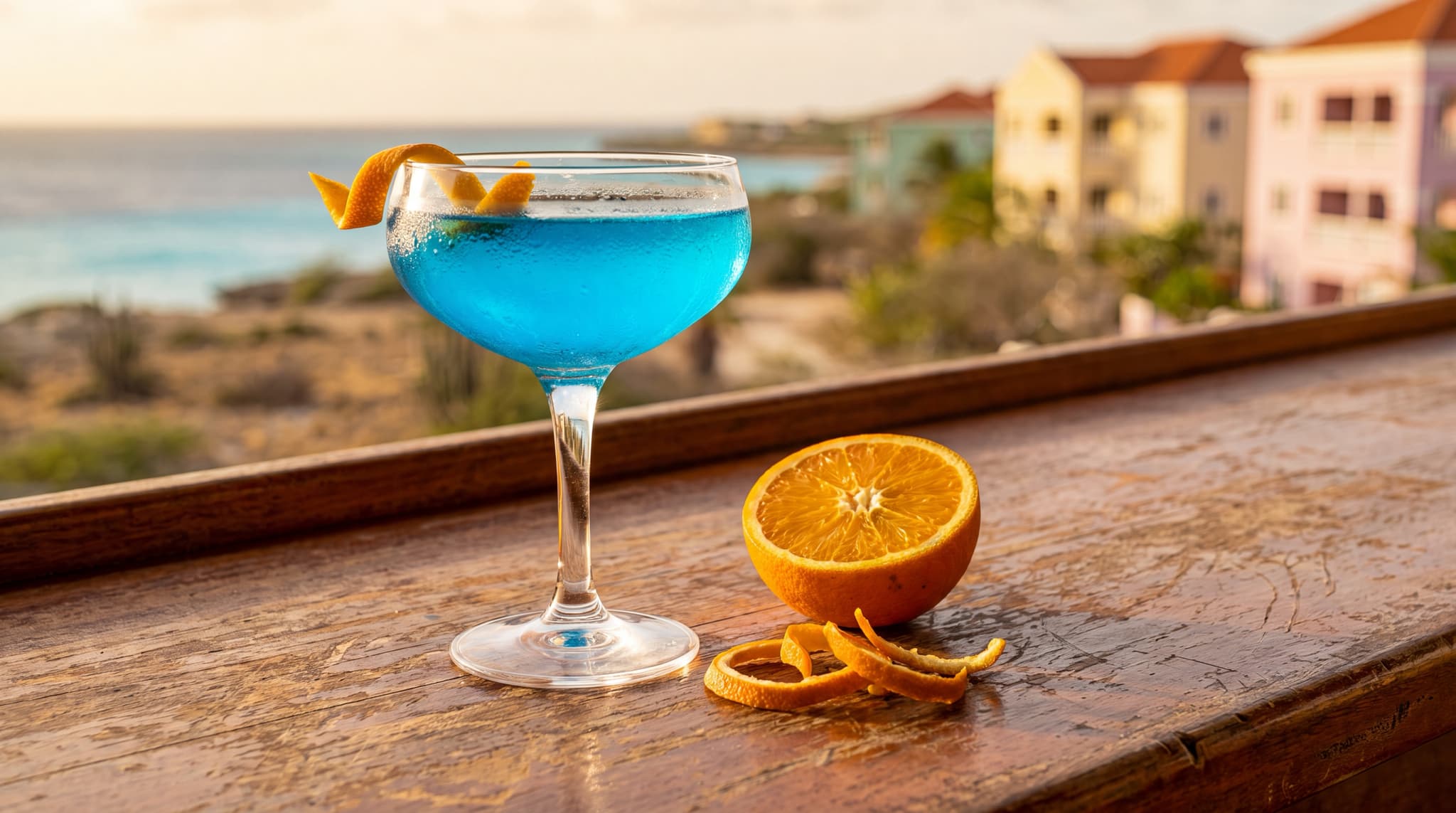
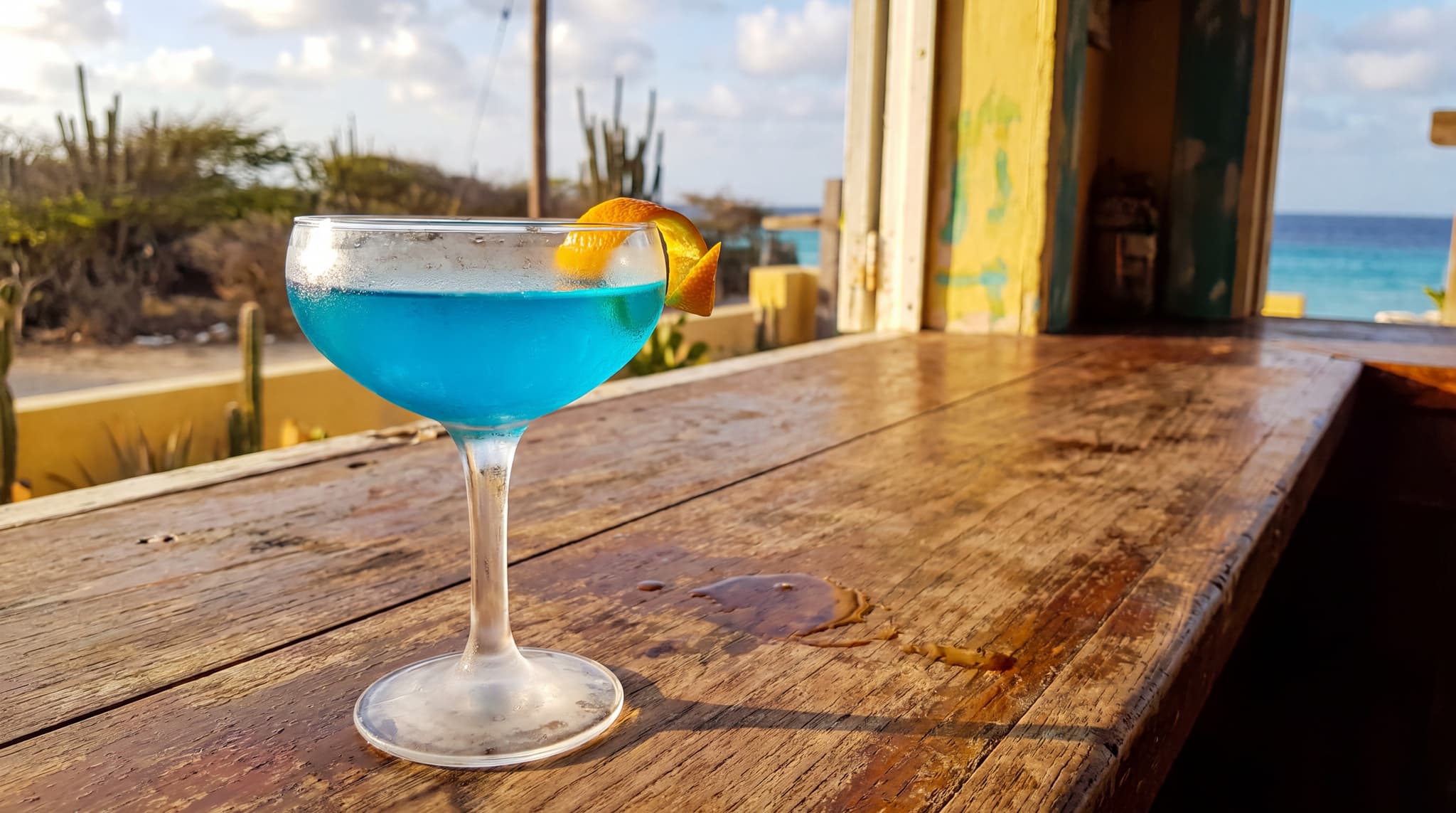
Blue curacao shows up constantly in Curacao's own drink culture, not just as a tourist gimmick but as a genuinely local ingredient in sunset cocktails and rum-based drinks served across the island. A sunset-cruise-happy-hour outing is one of the more straightforward ways to try it the way it is actually meant to be had, glass in hand, watching the light change over the water rather than as a shot at a themed bar. Back on land, Pietermaai's bar scene, covered in our Pietermaai nightlife guide, leans into cocktail culture generally, blue curacao included, in restored colonial buildings rather than resort-strip chain bars.
Find your hotel by month, beach & budget
Compare current Curacao rates across the major booking sites in one place, in USD. Most rooms are free to cancel.
Pairing it with food
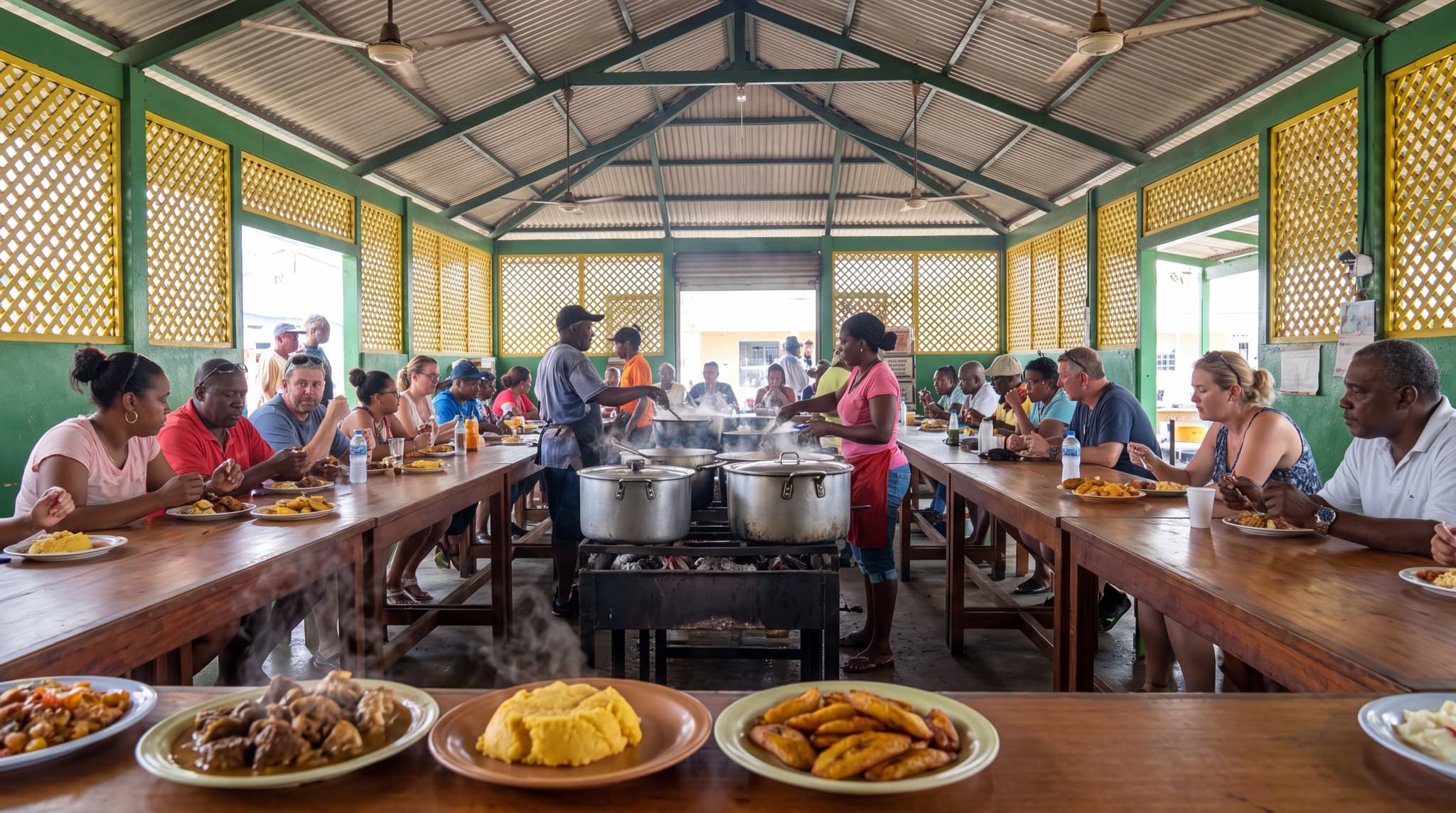
Blue curacao is a drink, not a meal, but the same laraha and citrus history that produced the liqueur runs through parts of the island's wider food and drink culture. If you are building out a fuller sense of what Curacao actually eats and drinks beyond the liqueur, our food guide covers the rest of that picture, from market-hall cooking to late-night food trucks, our dining guide points you toward restaurants and bars actually worth a reservation, and our things to do guide shows where a distillery stop fits against everything else on the island.
What to buy and bring home
Bottles are widely available at the distillery itself, at duty-free shops, and at most supermarkets and liquor stores across the island, in the classic blue along with clear, orange, and green versions. There is no reliable current price to quote here since prices shift and vary by retailer and duty-free status; check the tag on the day rather than trusting an old blog post's number, including this one. If you want the full origin-story version rather than just a bottle, buying directly at the distillery after the tour is the more complete experience of the two.
Airport duty-free shelves carry it too, usually alongside the same clear, orange, and green versions, which makes a last-minute pickup easy if the distillery tour does not fit your schedule. Just be aware that airport duty-free selection and pricing can differ from what the distillery itself or a supermarket in town offers, so it is worth comparing before assuming the airport is the cheaper or more complete option.
Browse 25 Curacao experiences
Each one vetted operator by operator, with the honest note and the cancellation window shown per tour.
The honest bottom line
Blue Curacao is a better story than its cocktail-menu reputation suggests: a bitter, struggling orange that turned out to be good for something else entirely, a color choice that became the whole brand, and a genuine distillery on the island still making it from the same peel. Skip the assumption that any blue bottle counts as the real thing, take the distillery tour if the story interests you, and taste it the way it is actually served here, in a sunset cocktail, not a themed shot.