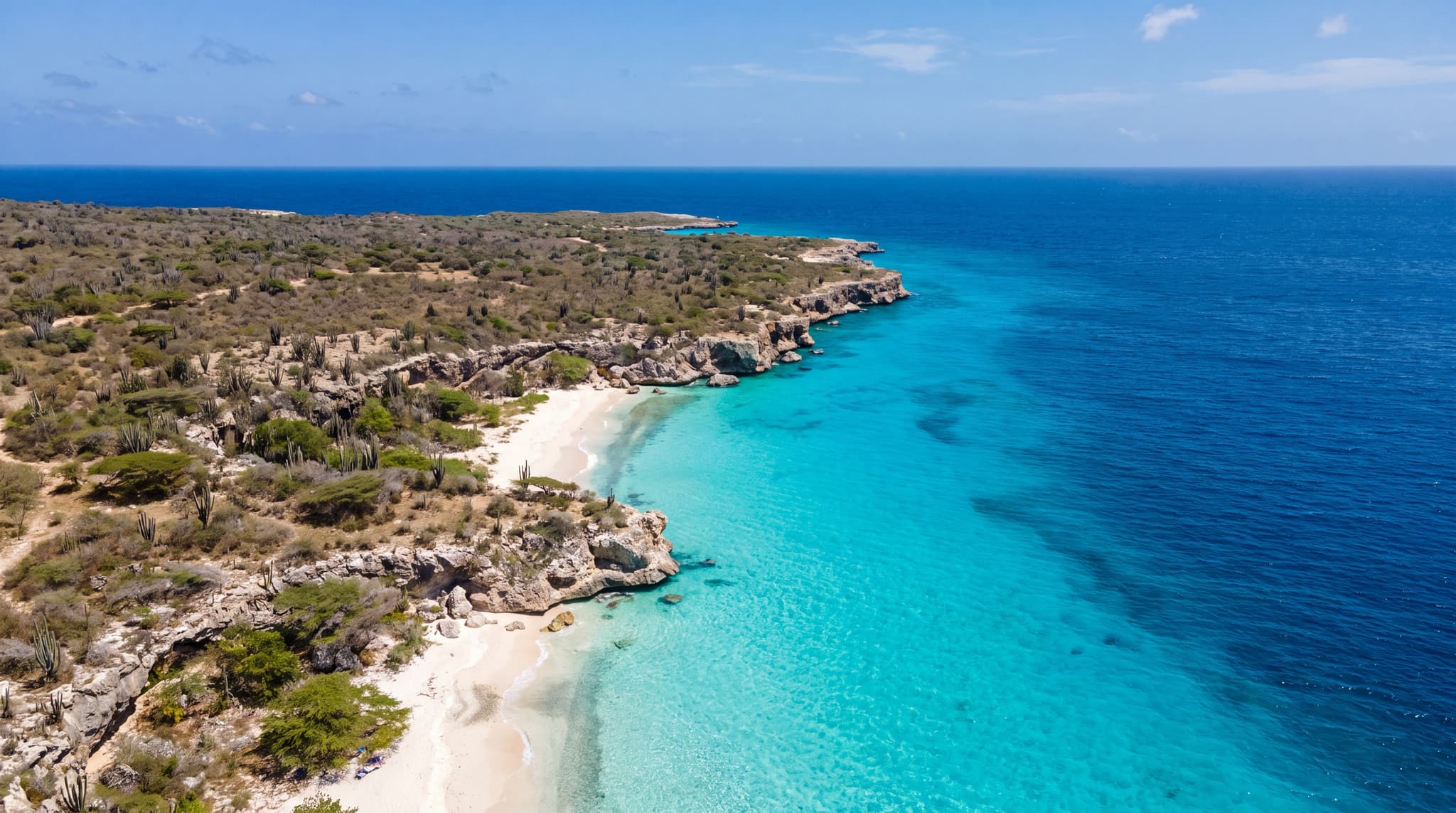
Curacao sits in the southern Caribbean Sea, roughly 65 kilometers off the coast of Venezuela, closer to South America than to Florida or the Bahamas. It is the largest of the ABC islands, a trio that also includes Aruba and Bonaire, all three lying outside the main Atlantic hurricane belt and all three part of the Dutch Caribbean. If you have only ever heard the name and are not sure where to place it on a map, that is the short version: south Caribbean, near Venezuela, Dutch.
What kind of place is it?
Curacao is not a US territory, and it is not a fully independent nation either. It is one of four constituent countries within the Kingdom of the Netherlands, alongside the Netherlands itself, Aruba, and Sint Maarten. That status means Curacao runs its own government, tax system, and day-to-day rules, while foreign affairs and defense stay with the Kingdom. For a visitor, the practical effect is simple: you clear immigration as if entering a distinct country, even though the passport stamp ties back to the Kingdom of the Netherlands.
The island's size surprises a lot of first-time visitors. Curacao is noticeably larger than Aruba, roughly two and a half times the land area, which is part of why a rental car matters more here than on its smaller neighbor. We lay out that full comparison in our Curacao vs Aruba guide if you are trying to decide between the two islands.
Want a local to plan the whole trip?
Our concierge builds your days around what you actually want, from $149. A small curation team, never pay-to-play.
How big is Curacao, and what is nearby?
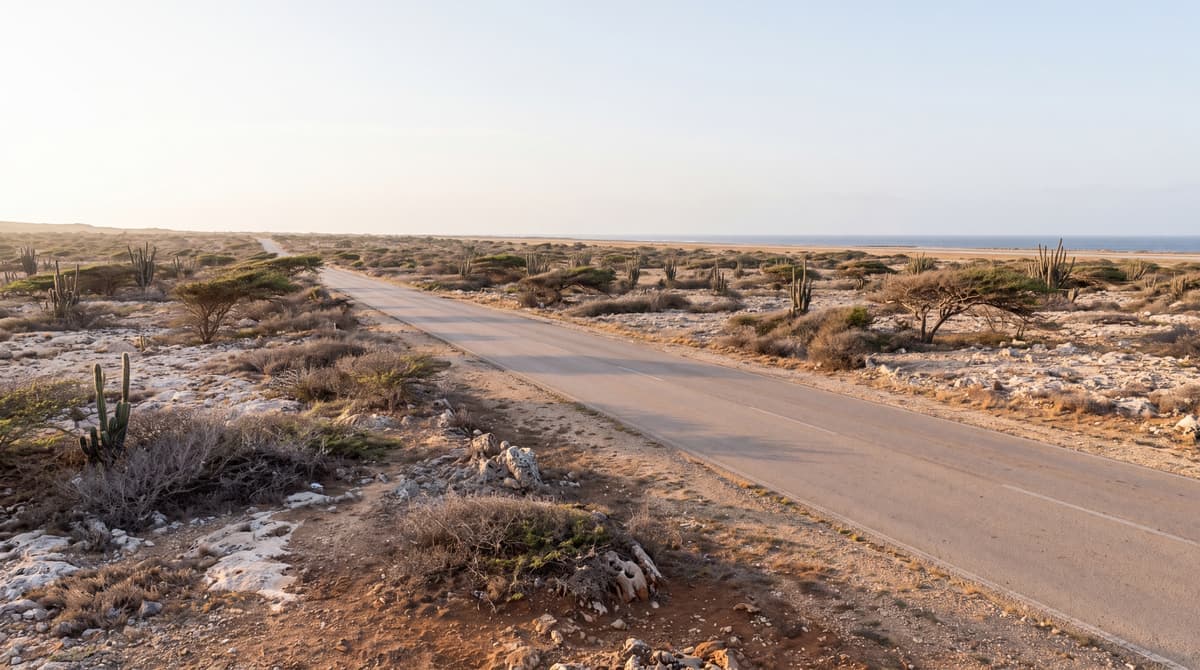
Curacao is the largest of the three ABC islands, with Aruba sitting to its northwest and Bonaire to its northeast. All three sit in a tight cluster just off the Venezuelan coast, well south of the string of islands that make up the Lesser Antilles. That geography is not just trivia; it is a big part of why all three islands share a drier, more arid climate than the lusher, more mountainous islands further north and east in the Caribbean, and why the region markets itself as a reliable, dry, outside-the-storm-track alternative.
What languages do people actually speak?
Papiamentu is the language you will hear locals speaking with each other: a Creole language with Portuguese, Spanish, Dutch, and West African roots that is unique to the ABC islands, with real variations between how it is spoken on Aruba, Bonaire, and Curacao. Dutch is the other official language, tied to the Kingdom relationship, and shows up on government forms and street signage. None of this changes much for a visitor day to day. English is spoken fluently across hotels, restaurants, and tour operations, and Spanish is common too, given the island's proximity to Venezuela and Colombia. Most people you deal with as a tourist will comfortably switch into English the moment they hear you struggling with anything else.
Let us plan this trip for you
A small curation team builds your days around what you want, share your dates and we'll build the rest.
What does the flag mean?
Curacao's flag is a blue field split by a horizontal yellow stripe, with two white five-pointed stars in the upper left corner. The blue represents the sea and sky, the yellow stripe stands in for sunshine, and the two stars are commonly explained locally as representing Curacao and its small, uninhabited sister island, Klein Curacao, though you will also hear the stars described simply as symbols of love and happiness. It is not the kind of detail anyone will quiz you on, but it is a nice one to know the first time you spot the flag flying outside a government building in Willemstad.
Is Curacao in the hurricane belt?
This is one of the most useful things to know before you book. Curacao sits at roughly 12 degrees north latitude, south of the main Atlantic hurricane development zone, and direct hurricane strikes are extremely rare. That position is a real reason travelers choose Curacao for trips planned during the June to November hurricane season, when many other Caribbean destinations carry genuine storm risk. We break down exactly what that means for trip timing in our hurricane risk guide, including the honest caveat that the island can still see indirect effects, like heavy swell or rain bands, from storms passing well to the north.
Browse 25 Curacao experiences
Each one vetted operator by operator, with the honest note and the cancellation window shown per tour.
Stay in the Curaçao loop
Curaçao news and deals, in your inbox.
Get island news, fresh activity ideas and deals when available, straight to your inbox.
Occasional emails from Curaçao Playbook. Unsubscribe anytime.
Email signup is temporarily paused. Please check back soon.
Browse the latest Curaçao storiesA word on money before you land
Since 2025, Curacao's currency has been the Caribbean guilder (XCG), pegged at USD 1 to XCG 1.79, having fully replaced the old Netherlands Antillean guilder as of July 1, 2025. US dollars are still widely accepted at tourist-facing businesses, but change may come back in XCG. If you want the full picture on cards, ATMs, and tipping before you land, we built an entire guide: Curacao currency in 2026.
How do you get there?
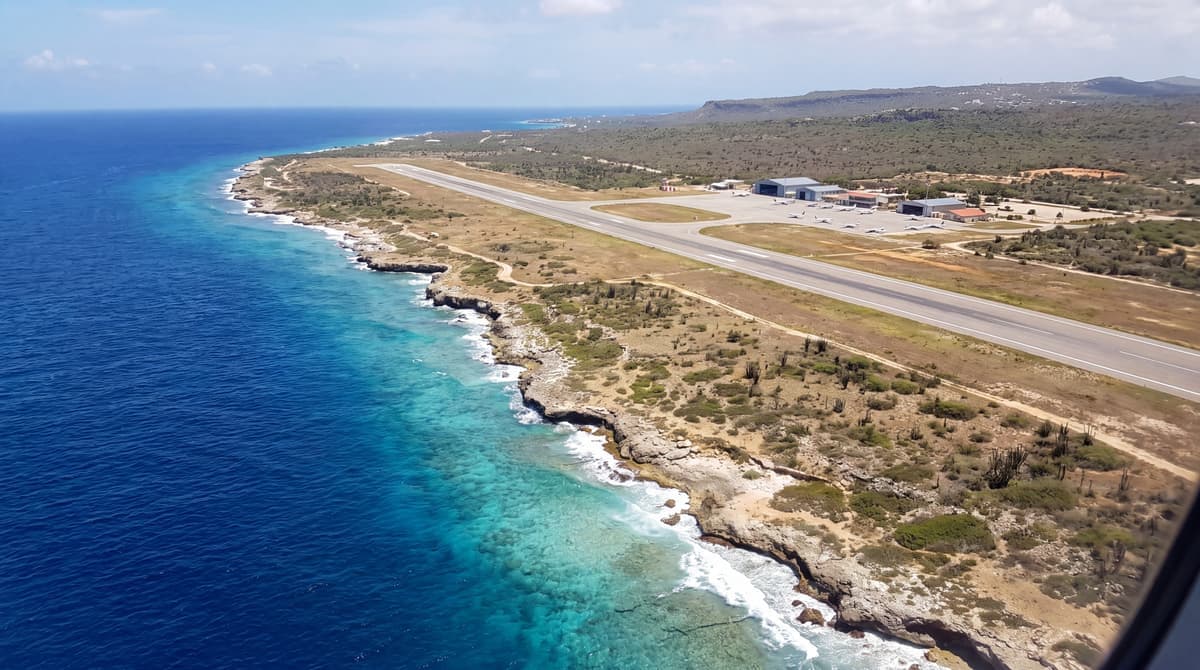
Flights into Curacao land at Hato International Airport (CUR), just outside Willemstad. The island's US flight options have been expanding: American Airlines added a nonstop Chicago route in 2026, alongside expanded Toronto and Montreal service, according to BusinessWire reporting. The Netherlands remains the largest single source market for visitors, with the US market growing quickly behind it. Flight times vary widely by origin city, so check directly with your airline rather than relying on a generic estimate. Once you land, most first-timers head straight for either the Willemstad area or the Jan Thiel and Mambo Beach strip; our west side versus east side guide walks through which one actually fits your trip.
Curacao's tourism numbers back up the case for making the trip: the island logged a record 788,427 stayover visitors in 2025, up 13 percent year over year, and USA Today's 10Best named Curacao the number one Caribbean island to visit for 2026. Neither number tells you whether the island is right for you personally, but both explain why more people are asking where Curacao is than a few years ago.
Find your hotel by month, beach & budget
Compare current Curacao rates across the major booking sites in one place, in USD. Most rooms are free to cancel.
What should a first-timer actually plan around?
Once the geography is straight, the real planning questions are about timing and logistics, not location. When you go changes crowd levels and prices more than almost anything else; our month-by-month guide to the best time to visit covers that in full. Where you stay changes how much driving your week involves, covered in the west-versus-east breakdown linked above. If beaches are the main draw, start with Mambo Beach or Jan Thiel for an easy, resort-adjacent introduction to the island's water, with the wilder west coast beaches waiting once you have a rental car sorted.
For a first walk through the capital once you land, our experiences page lists a guided Willemstad walking tour that is a genuinely useful first afternoon, giving you context for the UNESCO-listed historic district before you start exploring on your own.
The honest bottom line
Curacao is a Dutch Caribbean island roughly 65 kilometers off Venezuela, part of the ABC islands, and a constituent country within the Kingdom of the Netherlands rather than an independent nation or a US territory. It sits outside the main hurricane belt, runs on Papiamentu and Dutch officially with English spoken everywhere a tourist needs it, and has been drawing a fast-growing number of visitors for good reason. If geography was the only thing holding you back from looking into a trip, it should not be anymore. Start with our 7-day Curacao itinerary once you are ready to plan the actual days.