Curacao rewards planning more than almost any Caribbean island we cover, and it quietly punishes a handful of assumptions that first-timers carry over from other trips. None of the mistakes below will ruin a week here; the island is too easygoing for that. But each one tends to cost money, a beach day, or an hour at the airport, and every one is avoidable with a decision made before you land. We field the same questions from readers and from friends of the team every high season, so here is the honest list, ranked roughly by how much each one usually costs you.
1. Assuming you can skip the rental car
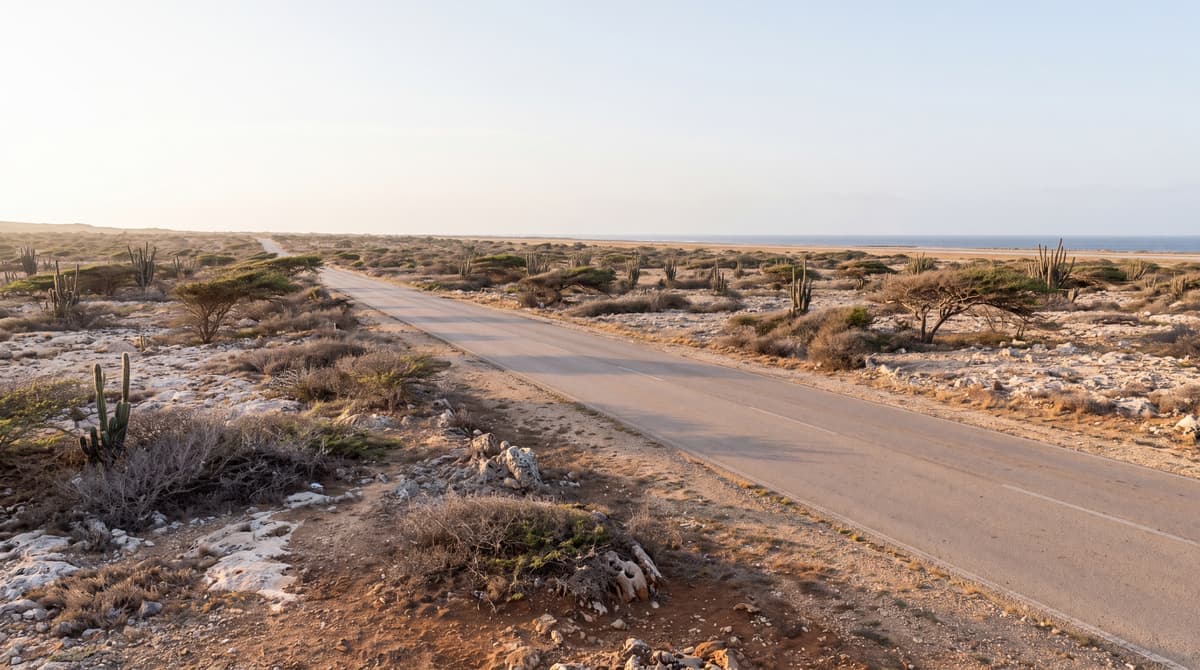
Curacao is the largest of the ABC islands, roughly two and a half times the land area of Aruba, and the things you came for, the west-coast dive sites, the wild cove beaches, Willemstad, the national parks, are spread across the whole island rather than lined up on one strip. Public buses do run, but the routes and timings are built around residents commuting to and from Willemstad, not around a visitor hopping between west-end coves. Taxis are unmetered, priced by zone, and a few round trips out to the far beaches add up quickly. For most trips, a rental car is the single decision that unlocks the island. The honest caveat: if you are staying at an all-inclusive on the Jan Thiel or Mambo Beach strip and genuinely plan to stay put, you can get by without one and lean on the occasional taxi or a tour pickup, and our Curacao without a car guide lays out exactly when that works. For everyone else, price it in early. Our car rental guide covers pickup, insurance, and what the roads are actually like, and our west side versus east side guide shows how much driving each base involves.
Want a local to plan the whole trip?
Our concierge builds your days around what you actually want, from $149. A small curation team, never pay-to-play.
2. Leaving the big bookings until you arrive
Curacao is busier than it has ever been, and a couple of things on the island have genuinely finite capacity. The boats out to Klein Curacao sail on set days with a fixed number of seats per vessel, and in the December to April high season the better operators get fully booked several days ahead. Popular rental-car categories, especially small automatics and larger family vehicles, can run short across the island's whole fleet in the same stretch. This is not a reason to panic-book your entire trip; it is a reason to reserve the two or three finite things once your dates are set, and leave the flexible parts, most beaches, most restaurants, most shore snorkeling, for the day itself. The honest caveat: outside high season you have far more slack, and holding off can occasionally win you a better rate. See what is worth locking in on our things to do page and the booking hub, and let when you are visiting tell you how tight the squeeze will be.
3. Skipping the DI Card, or paying a copycat site for it
Every air visitor to Curacao must complete the Digital Immigration (DI) Card before arrival. It is free, it is filled out online within seven days of your departure, and you keep the confirmation as a PDF to show at airline check-in and again at immigration on the island. Two traps catch first-timers. The first is forgetting it entirely, which can hold you up before boarding, since airlines check for it. The second, and the more expensive one, is landing on one of the many look-alike sites that charge a service fee to submit the same free government form on your behalf. Use the official portal only, fill it in the day before you fly, and save the PDF to your phone. We walk through the official process, panel by panel, in our DI Card guide.
Let us plan this trip for you
A small curation team builds your days around what you want, share your dates and we'll build the rest.
4. Treating the money like Aruba's
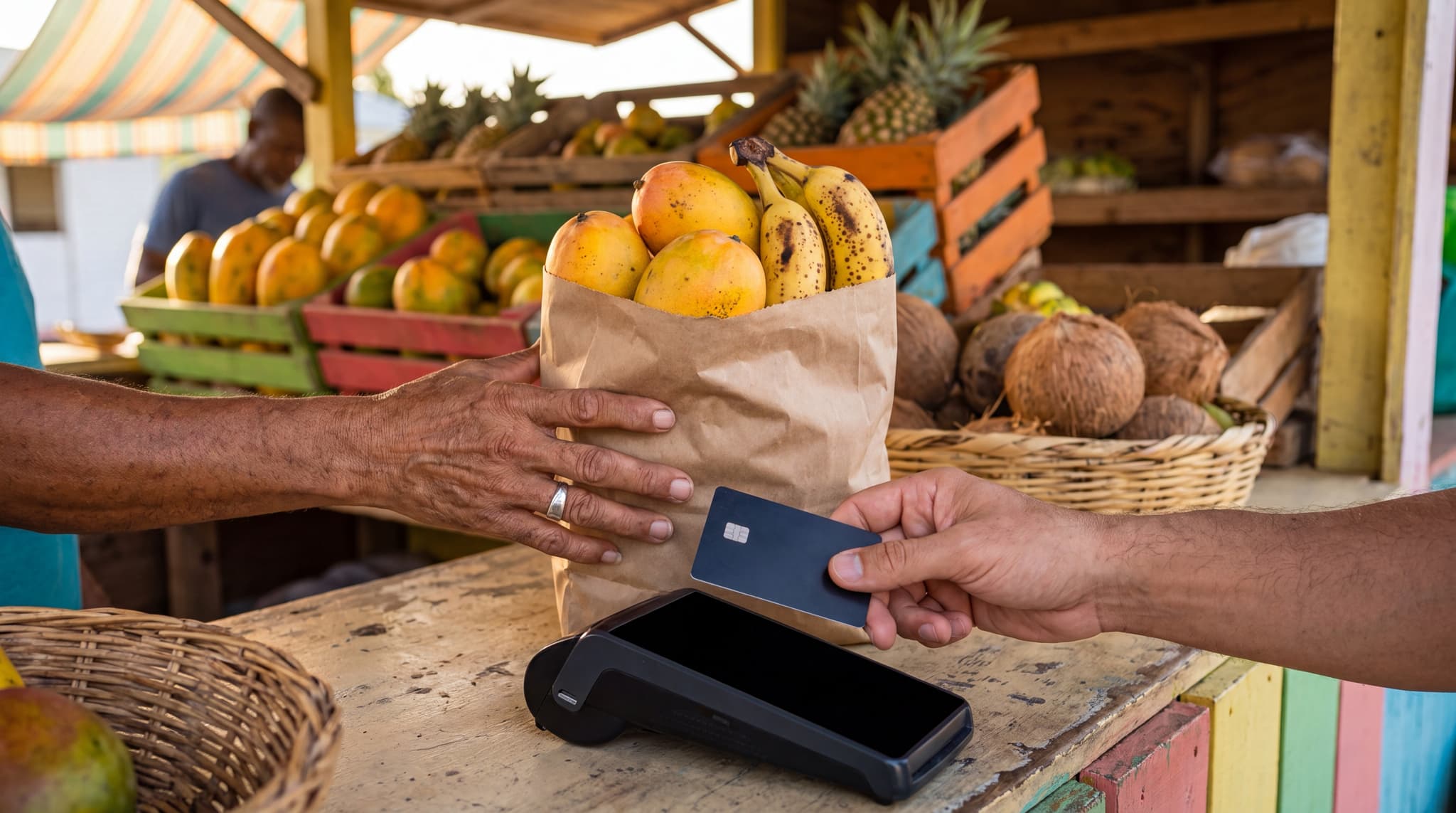
Curacao and Aruba sit side by side and get lumped together constantly, but they do not share a currency, and quietly assuming they do is a common slip. Aruba uses the Aruban florin. Curacao's currency, since the middle of 2025, is the Caribbean guilder (XCG), which replaced the old Netherlands Antillean guilder and is pegged at 1 US dollar to 1.79 XCG. The practical news is the easy part: you rarely need local cash at all. US dollars are widely accepted at tourist-facing businesses, cards work at hotels, restaurants, and larger shops, and ATMs dispense XCG if you want some. Change from a dollar payment often comes back in guilders, so do not be thrown when it does, and there is no reason to buy XCG before you travel. The honest caveat: small neighborhood spots, market stalls, and the late-night truk'i pan food trucks are still easiest with a little cash, so carry some small US bills. Our currency guide has the full picture on cards, ATMs, and fees.
5. Never leaving the resort strip
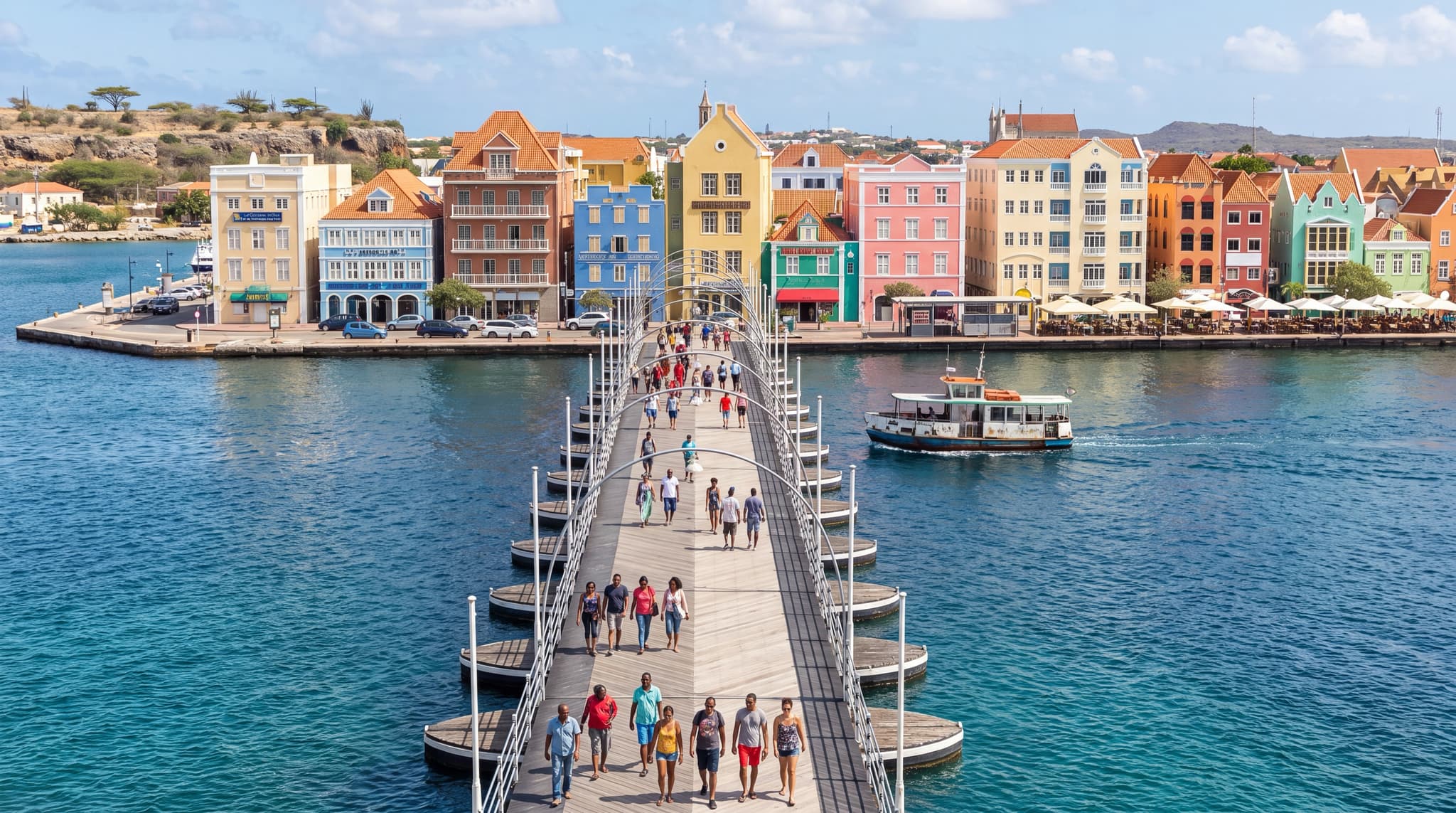
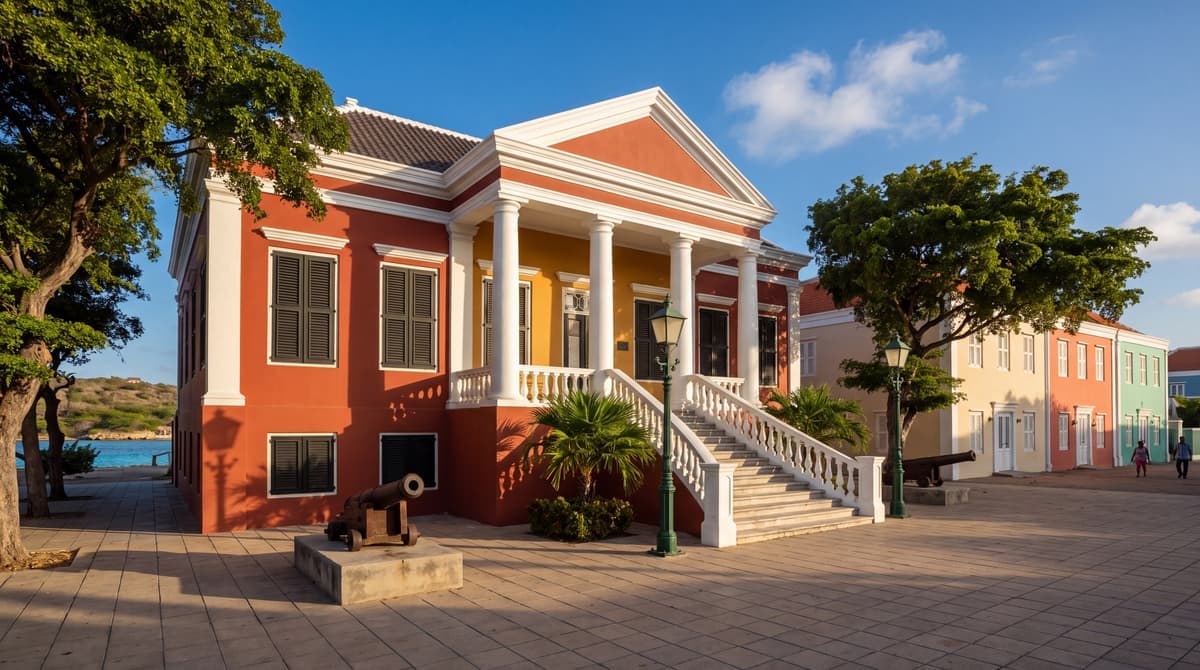
It is genuinely easy to spend a week between a lounger on the Mambo Beach boardwalk and a buffet, and for some travelers that is exactly the trip they wanted. But the thing that makes people fall for Curacao is almost always somewhere else: a krioyo lunch at the Plasa Bieu market hall in Punda, the painted merchant houses of Willemstad's Scharloo and Pietermaai districts, a quiet west-coast cove reached down a dirt track. The single afternoon that changes most first-timers' opinion of the island is a wander through Willemstad's old town followed by a real local meal. The honest caveat: if a low-effort beach-club week is what you came for, own it, there is no wrong way to rest. But if you want the island itself, build in at least one Willemstad day and one meal outside the resort. Our food guide and where to stay guide both help you plan around the real island rather than just the strip.
Browse 25 Curacao experiences
Each one vetted operator by operator, with the honest note and the cancellation window shown per tour.
6. Buying cases of bottled water you do not need
Curacao has no natural fresh water, so every drop from the tap is made by reverse-osmosis desalination of seawater and held to World Health Organization and European standards. It is safe to drink, and locals drink it. Hauling home flats of bottled water, or paying resort minibar prices bottle by bottle, is money spent on a problem the island does not have. Bring or buy one refillable bottle and fill it from the tap. The honest caveat: the water is quite hard and can taste faintly mineral to some palates, and if that bothers you a single filter jug, or the occasional bought bottle, solves it far more cheaply than a week of plastic. We fold this into our packing list.
7. Packing the wrong sunscreen, and no water shoes
Two gear mistakes show up again and again. The first is sunscreen. Curacao's constant trade wind hides the strength of the sun, so people who feel perfectly comfortable burn without noticing; reapply more often than instinct tells you to. Just as importantly, the reef is the whole reason to snorkel and dive here, which makes reef-safe mineral sunscreen the responsible choice and the one we pack. To be precise and honest: Curacao does not currently ban chemical sunscreens the way neighboring Bonaire has since 2021, so this is a strong recommendation rather than a rule you can break at the airport. The second mistake is arriving with only flip-flops. Several of the best west-coast entries, Playa Lagun, Playa Kalki, and other rocky coves, are coral rubble and stone rather than soft sand, and thin-soled water shoes turn a wince-inducing scramble into an easy walk straight into the water. Our shore diving guide and packing list cover the rest of the kit.
Find your hotel by month, beach & budget
Compare current Curacao rates across the major booking sites in one place, in USD. Most rooms are free to cancel.
8. Misreading the promise that Curacao sits outside the hurricane belt
Curacao sits south of the main Atlantic hurricane belt, at roughly 12 degrees north, and direct strikes are genuinely rare, which is a real, honest reason travelers book it during a season that puts other islands on alert. Where first-timers go wrong is treating that as a guarantee of flawless weather. Two things stay true: the island is not immune, and it can catch indirect swell or rain bands from storms passing well to the north; and the late-October-to-December stretch is Curacao's wettest, when short heavy showers are common even though whole washed-out days are not. Pack a light rain layer for a late-year trip and set expectations accordingly. Our hurricane risk guide and our honest read on visiting in October spell out what the shoulder months actually feel like.
9. Getting the tip wrong in both directions
Tipping trips people up here because the rules are not the ones they know from home. Many Curacao restaurants already add a service charge to the bill, commonly around 10 percent, and hotels often add a little more. The two mistakes are equal and opposite: adding a full extra 15 to 20 percent on top of an included service charge because you did not read the bill, or leaving nothing at a place that never added one. The fix is simple: check the bill for a service charge line before you decide. If it is there, a little extra for genuinely good service is a kind gesture rather than an obligation; if it is not, 10 to 15 percent is the norm. Our tipping guide has the details for restaurants, taxis, tours, and housekeeping.
Land with your ride already sorted
Curacao has no Uber. A fixed-price car from the airport, booked before you fly, driver holding your name.
The honest bottom line
None of these will sink a Curacao trip. The island is forgiving, safe by Caribbean standards, which we cover plainly in Is Curacao safe?, and rewarding almost regardless of how you plan it. But the travelers who love it most tend to be the ones who sorted the DI Card and the car before they left home, reserved the one or two things that fill up, carried a little cash without buying guilders, packed reef-safe sunscreen and water shoes, and gave the real island, Willemstad, the west coast, a market lunch, at least a day of their week. Do those, and the only surprises left are good ones. If you are still deciding between islands, our Curacao versus Aruba comparison is the next thing to read.